The Family Bed Era Is Back: Why Big Beds Are Trending Again
For years, families were told that better sleep meant separate rooms, separate beds, and strict bedtime boundaries. In reality, that setup often leads to crowded nights, endless wake-ups, and parents sleeping on the edge of a mattress that was never designed for real family life.
As schedules get busier and nights get louder, more families are feeling the strain of beds that are simply too small for how they actually sleep.
That’s why the family bed era is back. Big beds are trending again because they give families space to rest together without sacrificing comfort, sleep quality, or sanity.
What People Mean by Family-Sized Beds Today
When people talk about family-sized beds today, they’re not just talking about novelty or luxury. They’re talking about beds designed to match how families sleep.
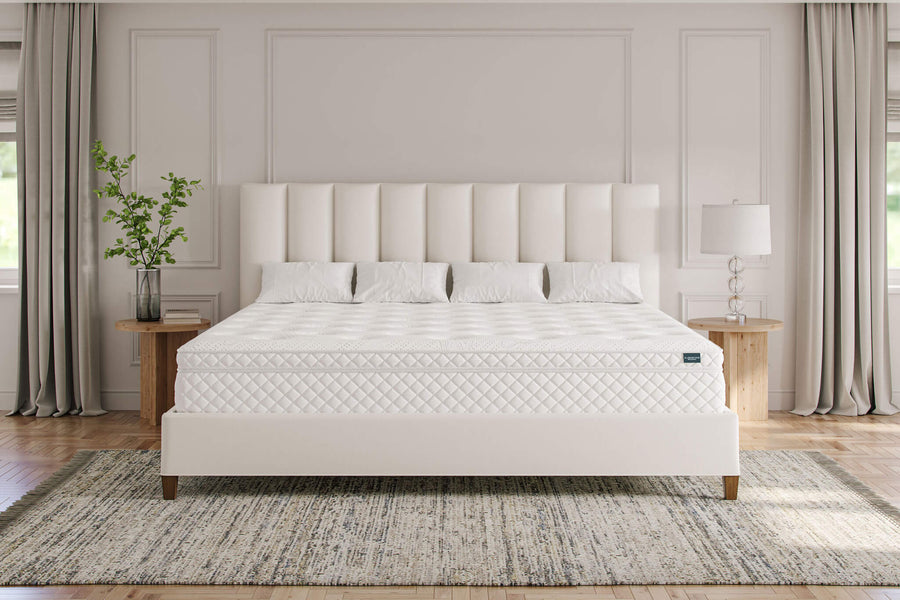
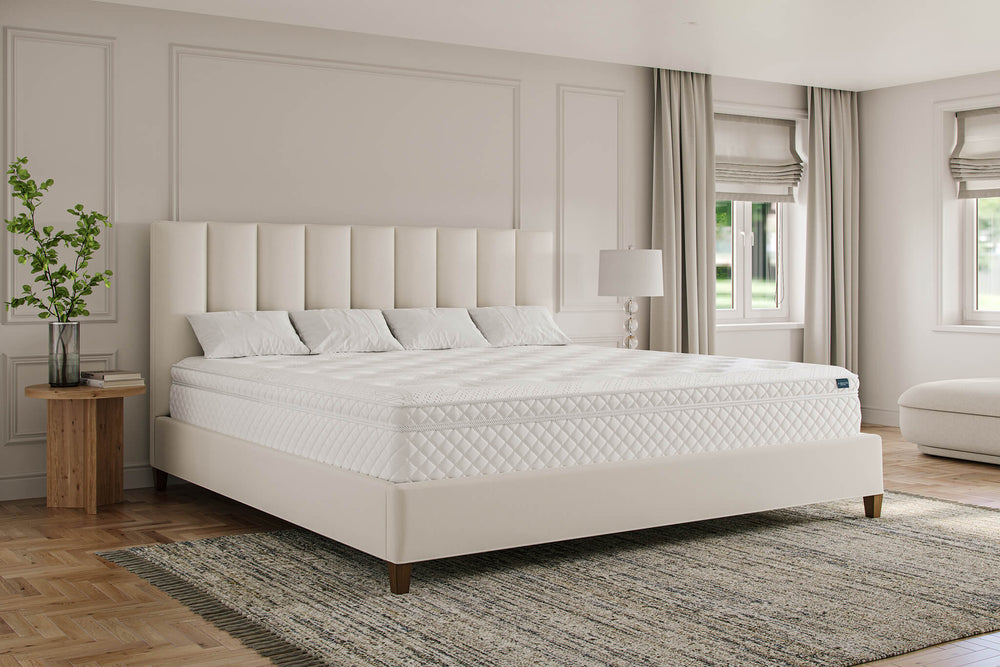
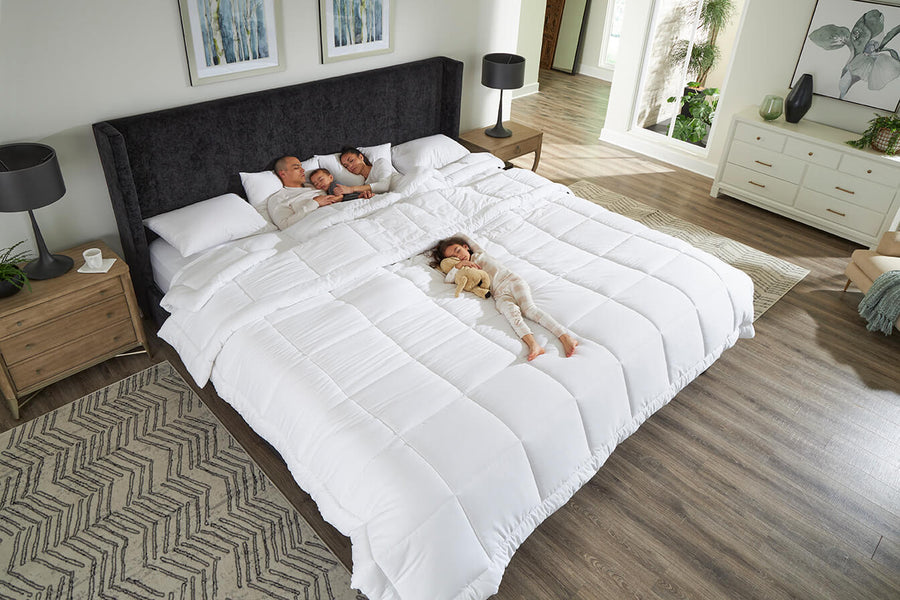
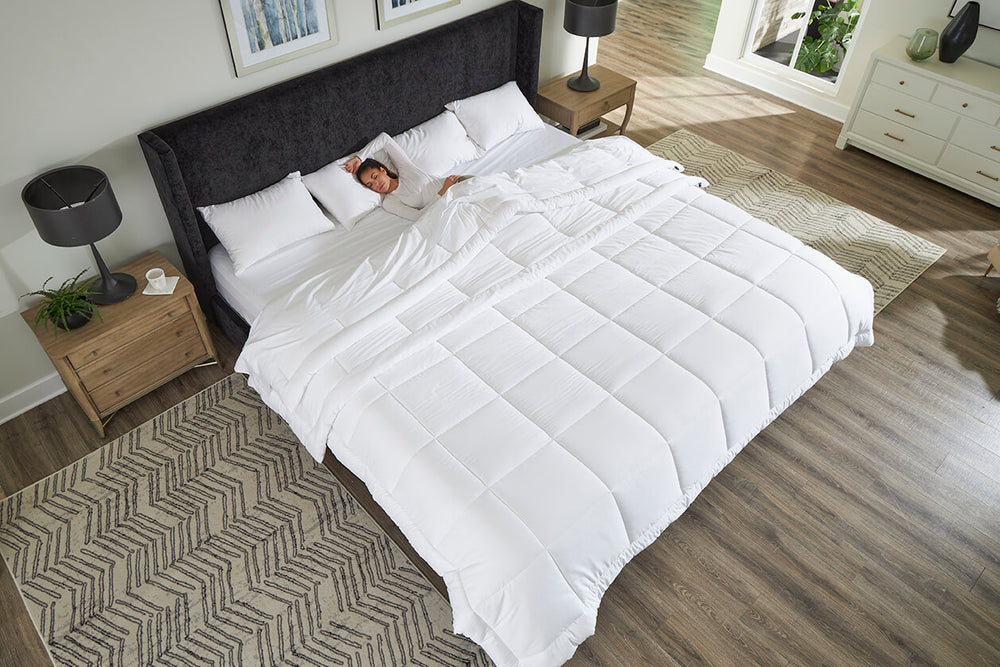
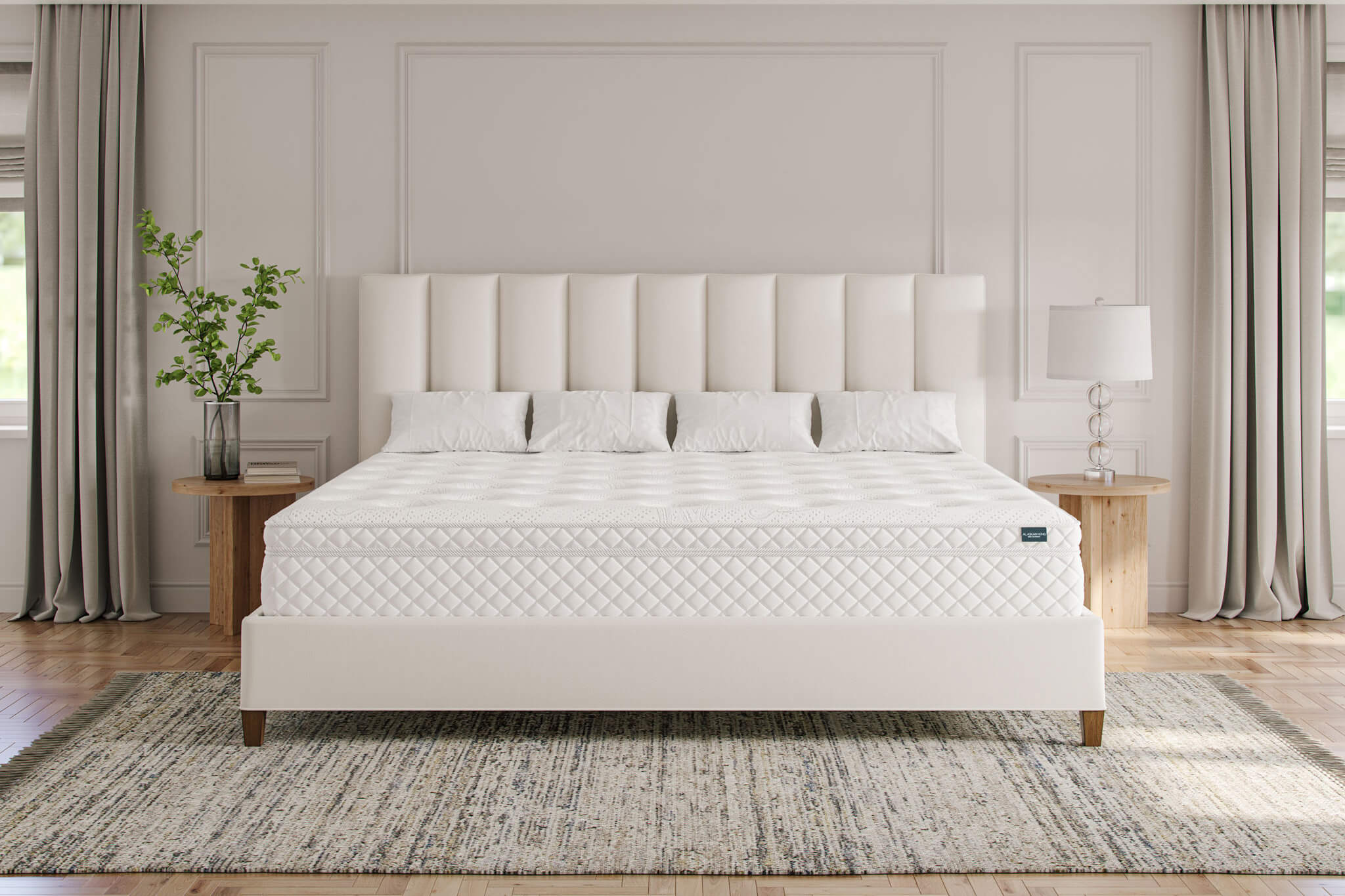
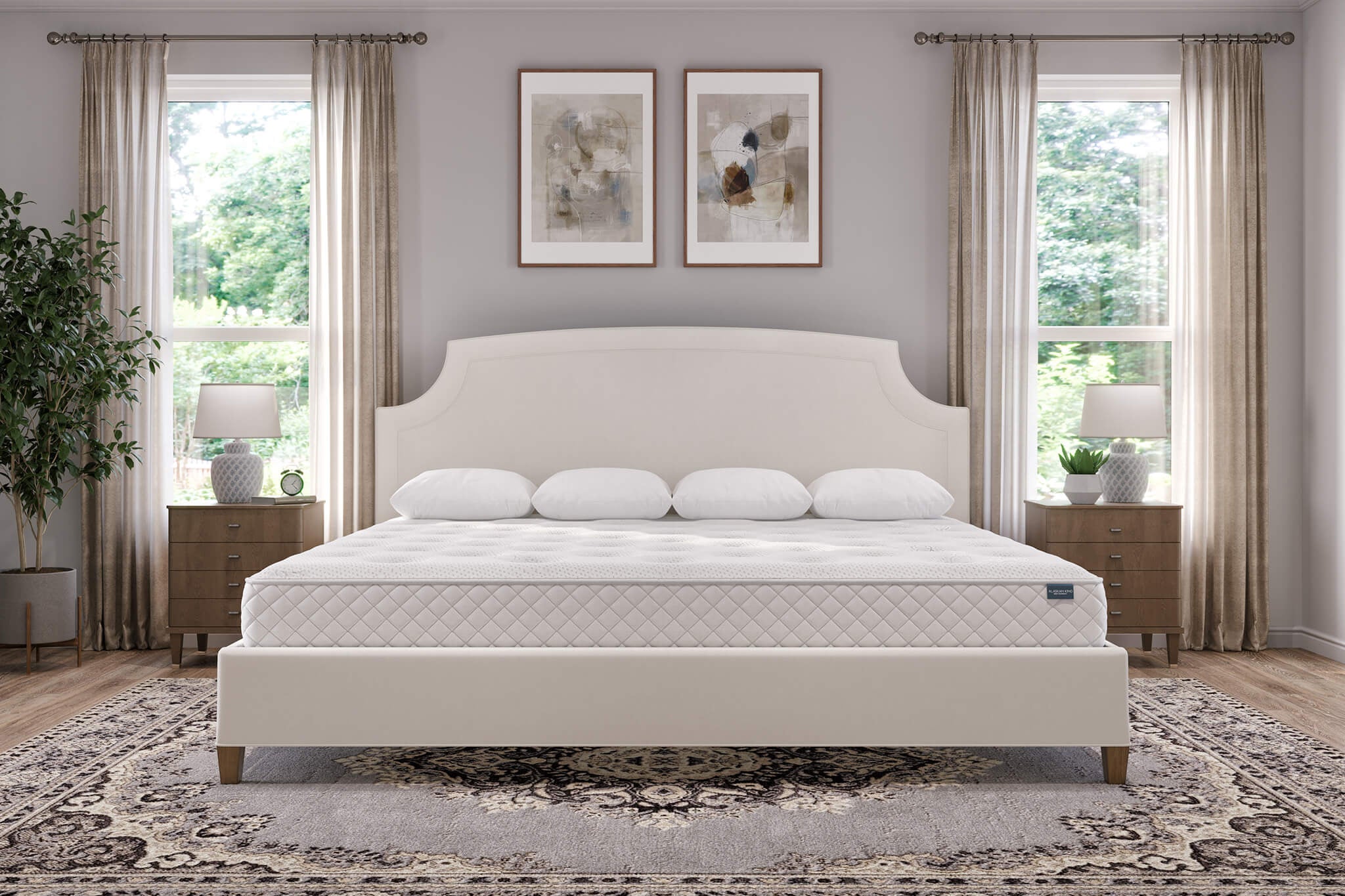
That usually means a mattress big enough to give parents, kids, and even pets enough room to rest without crowding, elbows, or nightly reshuffling. That can include options like Family Beds, Family Bed XL, Alaskan King beds, and other oversized King-style mattresses that prioritize width, shared space, and comfort over rigid sleep rules.
Why Big Beds Are Trending Again
Giant beds are back because they fulfil several requirements for today’s family sleep:
Parents Want More Sleep, Not More Nighttime Negotiations
For many families, bedtime has turned into a nightly shuffle. Kids climb in after bad dreams, early risers wake everyone up, and parents end up half-awake guarding the edge of the mattress.
Bigger beds solve a very real problem: everyone can settle in without disrupting each other. Instead of negotiating who sleeps where at 2 AM, families get more uninterrupted rest simply because there’s room for it.
The Family Schedule Got Busier
Between school, sports, work, and screens, families are more stretched than ever. Late dinners, early mornings, and packed calendars mean sleep has become a recovery tool, not a luxury. Big beds make shared rest easier on nights when everyone is running on empty. When sleep time is limited, families want it to count.
Homes Got Smaller, Beds Got Smarter
As square footage shrinks and multi-purpose rooms become the norm, families are rethinking how to use space. Instead of adding extra beds or squeezing into separate rooms, one well-designed family-sized bed often makes more sense. Bigger mattresses concentrate sleep into a single, comfortable space rather than spreading it across the house.
Co-Sleeping Became Less Taboo and More Practical
What used to be framed as a parenting controversy is now seen through a more realistic lens. Many families co-sleep at least part of the time, whether they planned to or not.
Big beds acknowledge that reality. They allow parents to respond to kids at night without sacrificing their own comfort or sleep quality.
Pets Joined the Team
Dogs at the foot of the bed. Cats wedged between pillows. Pets are family now, and they sleep like it. Giant beds accommodate that reality, too. Instead of pushing pets off or waking up cramped, families are choosing mattresses that fit everyone who shows up at bedtime.
What Families Say They Love About Family-Size Beds
The most common thing families mention is relief. Relief from feeling cramped, from waking up sore, and from starting the day already tired. When everyone fits, nights feel calmer and mornings feel less rushed.
Parents often say they sleep more deeply because they’re no longer half-awake guarding the edge of the bed or bracing for a child to climb in. There’s space to shift positions, stretch out, and settle back into sleep instead of lying stiff and alert.
Bedtime also feels easier because kids fall asleep faster when they feel close and secure, which means fewer nighttime wakeups and less back-and-forth between rooms. For many parents, that sense of safety is worth more than any strict sleep rule.
Another benefit of co-sleeping is flexibility. Movie nights turn into slow, cozy evenings. Sick days become less stressful. Early mornings don’t feel disruptive because no one is forced out of bed to make room. The bed becomes a shared space, not a battleground.
Then, there’s the emotional side. Families often say that sharing a larger bed creates a sense of closeness that’s hard to replicate elsewhere. It’s all about having the option to be close without sacrificing comfort.
The Downsides Nobody Mentions Until After They Buy
Family-size beds solve a lot of problems, but they also change how a bedroom works. Most families don’t regret the size. They just wish they had thought through a few details ahead of time.
You Need a Plan for Space and Bedroom Flow
A bigger bed reshapes the entire room. Nightstands and dressers may need to move. Walkways that used to feel fine can suddenly feel tight if you don’t plan for clearance around the bed.
Families who adjust fastest tend to think in zones. Where do people walk? Where do kids climb in? Where do pets curl up? Once the room is arranged with intention, the size stops feeling overwhelming and starts feeling natural.
Heat and Movement Multiply
More bodies mean more warmth and more motion. Even with a large surface area, heat can build up, and light sleepers may notice movement more at first.
This usually isn’t a dealbreaker, but it does mean paying attention to airflow, bedding, and mattress construction. Breathable materials, proper support, and enough personal space make a big difference in how restorative the bed feels once everyone settles in.
Boundaries Matter
A family bed doesn’t mean zero boundaries. In fact, it works best when there are gentle ones.
Families who thrive with a shared bed often have unspoken rules. Kids sleep in certain spots. Pets stay near the foot. Adults still get space to stretch out. Without those boundaries, even the biggest bed can start to feel crowded.
Is a Family King Bed Better for Sleep Quality?
For many families, the answer is yes, but not because a bigger bed magically fixes sleep. It works because it removes the small disruptions that quietly add up night after night.
When parents and kids share a standard bed, sleep often becomes a series of micro-adjustments. Someone rolls over, someone gets kicked, someone wakes up to reclaim space. Even if you don’t fully wake, those interruptions fragment sleep and leave you feeling less rested in the morning.
A family King bed changes that dynamic by giving everyone room to settle without constant negotiation. More surface area means fewer collisions, less pressure to stay perfectly still, and fewer subconscious wake-ups caused by movement or discomfort.
There’s also a psychological component. Many parents report falling asleep faster and staying asleep longer simply because they’re not bracing for the next elbow or midnight shuffle. Kids often sleep more soundly because they feel calmer knowing a parent is nearby.
That said, sleep quality still depends on the basics. A supportive giant mattress, breathable bedding, and a room that stays cool and quiet matter just as much as size. A family King bed doesn’t replace good sleep habits, but it makes them easier to maintain.
How to Choose the Right Big Bed for Your Family
Buying a family-size bed doesn’t just mean picking the biggest option available. You need to choose a mattress that fits how your family sleeps:
- Start with who’s in the bed most nights. Two adults and a toddler need far less space than two adults, three kids, and a dog who insists on sleeping sideways. Be honest about your real nighttime lineup, not your ideal one.
- Decide whether width or length matters more. Families who feel crowded side to side usually need extra width. Taller parents or kids who sprawl benefit more from added length. If feet hang off the edge, go longer. If elbows collide, go wider.
- Measure your bedroom before you fall in love. Big beds need breathing room. Aim for at least 2-3 feet of space around the bed so the room still functions for walking, storage, and daily life.
- Think about sleep movement and sensitivity. Light sleepers, active sleepers, and families with pets benefit from more surface area to reduce motion transfer and nighttime disturbances.
- Plan for heat and airflow. Choose a mattress and bedding setup designed to stay breathable, especially if your family already sleeps warm.
- Consider how long this phase will last. Some families want a bed that grows with them for years. Others want flexibility as kids get older. Choosing slightly more space than you think you need can prevent another upgrade later.
- Set a realistic budget and think long-term. Durability, support, and quality materials matter more than quick savings.
Family Bed Size Comparison
|
Mattress Size |
Dimensions (W × L) |
Best For |
Fits Comfortably |
|
Wyoming King |
84” × 84” |
Couples who want more space than a standard King without oversize bulk. |
2 adults + 1 child or pet |
|
Alaskan King Mini / Alberta King |
96” × 96” |
Smaller families or rooms with limited space. |
2 adults + 1-2 children + pets |
|
Family Bed |
108” × 80” |
Widened standard family size for parents and a couple of kids. |
2 adults + 2-3 children |
|
Family Bed XL |
144” × 84” |
Extra-wide family surface with a bit more length. |
2 adults + 3-4 children + pets |
|
Alaskan King Original |
108” × 108” |
Classic giant family bed with balanced width and length. |
2 adults + 2-3 children + pets |
|
Alaskan King Biggie Jr |
120” × 80” |
Wide surface that’s perfect for larger families who want personal space. |
2 adults + 3-4 children + pets |
|
Alaskan King Biggie |
144” × 108” |
Maximum room for sprawling families, pets, and extra comfort. |
2 adults + multiple children + pets |
Big Beds Are Back Because Families Are Tired of Fighting Sleep
For many families, family-sized beds remove the small, nightly disruptions that quietly add up to exhaustion. More room means fewer wake-ups, calmer bedtimes, and mornings that don’t start in survival mode. It doesn’t replace healthy sleep habits, but it makes them easier to keep.
If your family already ends up sharing space at night, the right bed can turn that reality into something restorative instead of stressful.
Explore our collection of giant mattresses, designed to support real-life sleep, shared nights, and the rhythms of growing families. When everyone has room to rest, sleep stops feeling like a compromise.