Biphasic Sleep & Napping: How to Divide Your Day for Better Rest
For most of human history, sleep wasn’t one eight-hour block. People slept in phases, took afternoon naps, woke up before dawn, prayed, cooked, wrote poetry, then went back to bed.
Biphasic sleep wasn’t a life hack. It was just something people did. Yet here we are, centuries later, forcing our brains into a schedule designed for factory shifts and fluorescent offices and wondering why we’re exhausted.
If your afternoons feel like your brain unplugged itself and walked away, you might not need more caffeine. You might need a different rhythm.
Let’s break down how biphasic sleep works, why cultures have leaned on it for millennia, and how splitting your rest might help your days feel a whole lot better.
What Biphasic Sleep Looks Like
Most people think biphasic sleep is just taking naps, but it’s bigger than that. Biphasic sleep simply means sleeping in two deliberate blocks within a 24-hour day, and it shows up in two forms:
- Segmented night sleep. This is the middle-aged version of sleep. People slept a “first sleep,” woke naturally for 1–2 hours, then went back for a “second sleep.”
- Core sleep + nap. This is the modern version. You sleep a long stretch at night and take a strategic nap during the day.
Biphasic Sleep Is the Way Humans Slept for Centuries
Before electricity, alarm clocks, and the idea that productivity is a personality trait, humans slept in two phases. It wasn’t fringe, it wasn’t a hack, and it definitely wasn’t something you’d learn from a wellness TikTok.
Across Europe, Africa, Asia, and the Middle East, people naturally drifted into a first sleep shortly after nightfall, woke up for an hour or two, and eased into a second sleep until sunrise. That in-between window wasn’t seen as insomnia, but a prime time for praying, tending the fire, journaling, nursing infants, or, according to some historical texts, getting a little romantic.
Many cultures still follow this rhythm.
Spain leans on the siesta. Parts of Latin America and the Mediterranean structure their entire day around a midday rest. In rural communities worldwide, split sleep is still the norm, not the exception.
So, if your brain naturally hits two waves of sleepiness, congratulations: you’re not broken. You’re operating on a timetable your ancestors perfected long before caffeine, shift work, or calendar apps ever existed.
Why Split Sleep Works Better for Modern Brains
Modern life isn’t peaceful. Our nervous systems are running a marathon in a world that hands out zero medals. Constant notifications, late-night emails, and the pressure to optimize everything keep your brain in a low-grade fight-or-flight mode all day long.
That’s why biphasic sleep makes surprising sense for today’s overstimulated world. When you divide your rest into two intentional blocks, you give your brain multiple chances to reset instead of forcing it to carry all that tension straight through to a single nighttime crash.
Studies on segmented sleep show that the break between phases boosts memory consolidation, supports emotional regulation, and reduces sleep pressure. That means you fall asleep more easily and wake up less groggy.
Even NASA has tested split-sleep schedules for astronauts and found that strategic naps improve alertness by up to 54% and performance by 34%. If it works in space, it works on Earth.
For many people, a midday rest mimics the natural energy dip built into our circadian rhythm. Instead of fighting that slump with caffeine or willpower, split sleep uses it to your advantage, restoring energy, mood, and focus in a way a single, uninterrupted block often can’t.
The Benefits You Feel (Not Just What a Study Says)
When you divide your rest into two intentional pockets, your brain gets two chances to reset instead of dragging itself through a single long stretch of exhaustion.
Think about that late afternoon moment when your brain feels like a browser with too many tabs open and one tab is playing mystery audio. A short nap or second sleep phase shuts the system down and helps everything reboot.
People who shift to biphasic sleep often describe:
- Clearer thinking because ideas flow more easily, and your brain feels lighter
- More emotional balance because the reset helps you stay patient and grounded
- Steady energy because your day feels smoother instead of swinging from alert to exhausted
- More creativity because your mind solves problems in the quiet space between rest cycles
On a physical level, you feel less wired and less drained. It becomes easier to handle stress without crashing, and your body finally gets the reset it has been begging for.
How to Try Biphasic Sleep Without Ruining Your Schedule
The trick with biphasic sleep isn’t reinventing your entire day, but making small, intentional shifts that fit your lifestyle. You just need a rhythm your brain can relax into.
Start by adjusting one part of your sleep window, not both. You can give yourself a shorter “core sleep” at night and pair it with a planned rest window later in the day. Think of your nap as a second phase, not a backup plan. Twenty to ninety-minute naps work for most people, depending on how tired you are and how much time you have.
The key is consistency. Try your second sleep at the same time every afternoon (usually between 1 PM and 4 PM, when your circadian alertness naturally dips). Keep it intentional with low lights, screens off, and a calm environment, so your brain recognizes it as real rest, not procrastination.
The key is not to overcorrect. You shouldn’t wake up at 3 AM to reenact 1600s Europe unless your lifestyle genuinely leans that way. Modern biphasic sleep works best when you build the pattern around your energy, your job, and your responsibilities.
Here are simple ways to experiment without blowing up your schedule:
- Move your bedtime 30-60 minutes earlier or later to create room for a nap.
- Set an alarm for your nap so it doesn’t spill into grogginess.
- Keep naps earlier in the day to protect nighttime sleep.
- Avoid caffeine 6 hours before your second rest window.
- Track how you feel the next day, not what a device tells you.
- Test the routine for at least one week so your body can adapt.
What NOT to Do When Splitting Your Sleep
If biphasic sleep is meant to restore you, the wrong approach can derail your energy fast. Think of this as your “don’t do these things unless you want chaos” list:
- Do not turn your nap into a second bedtime. If you’re trying the modern version of biphasic sleep (core sleep plus a midday nap), keep the nap short and intentional. A long midday sleep (think 2-3 hours) throws your nighttime rhythm off and defeats the purpose.
- Do not nap too late in the day. Anything after 5 PM pushes your core sleep farther into the night and turns your schedule into a mess. Aim for early afternoon when your internal rhythm naturally dips.
- Do not force a middle-of-the-night wake-up. Historical biphasic sleep included a midnight break, but forcing that pattern today often leads to frustration or full-on insomnia. Let your body set the timing.
- Do not treat your bed like a multipurpose zone. Working, scrolling, eating, and napping in the same spot confuses your brain and weakens your sleep drive. Protect your bed as a rest-only environment as much as possible.
- Do not chase perfection. You will not nail biphasic sleep on day one, and that is the point. Rest rhythms change with hormones, stress, seasons, and schedules. Adjust without guilt.
- Do not ignore how you feel. If splitting your sleep leaves you foggier, moodier, or dragging through the day, your timing is off. Biphasic sleep should make life easier, not harder.
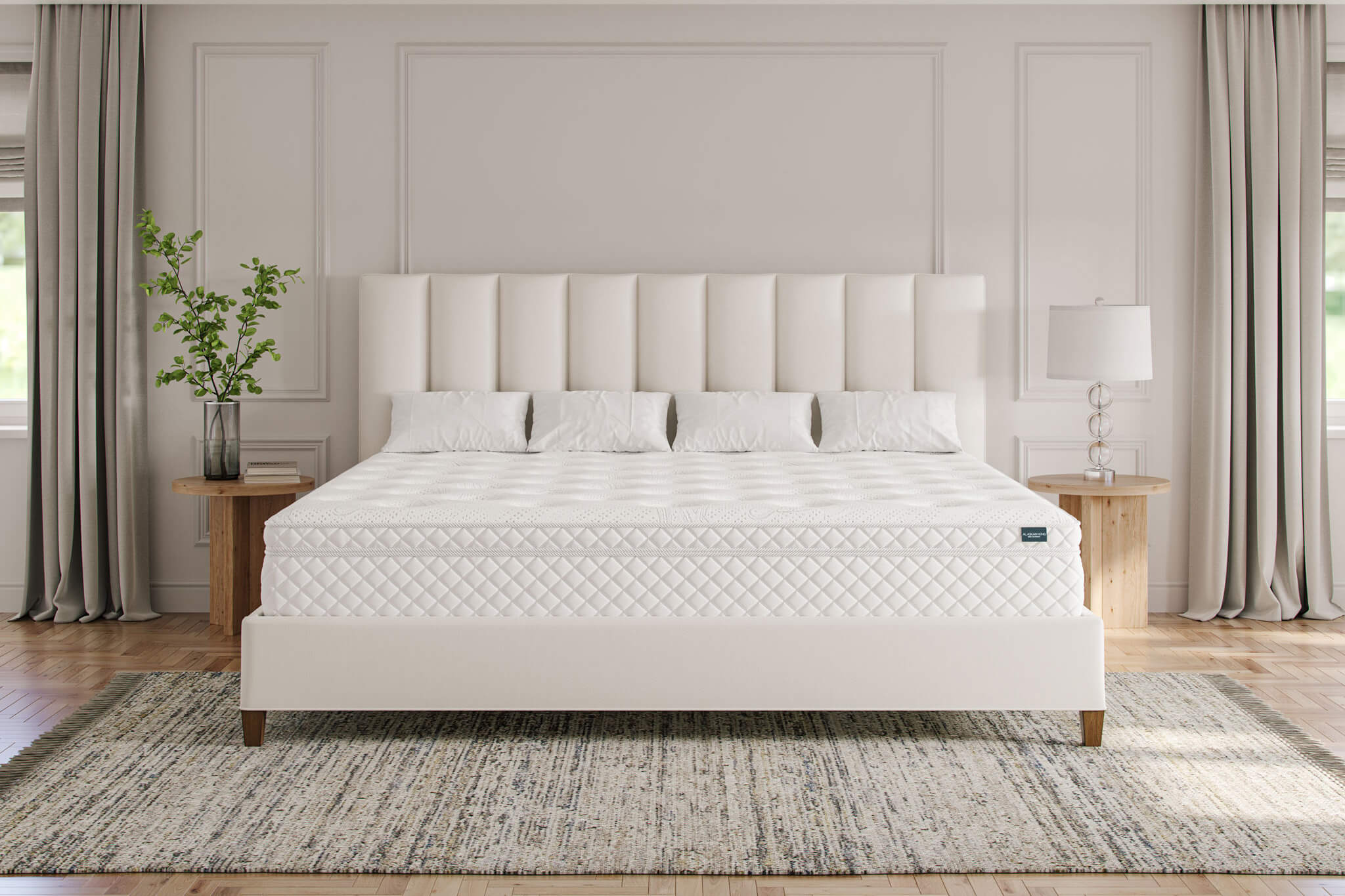
If You’re Sleeping Twice a Day, Your Bed Matters Twice as Much
When you split your sleep into two phases, you’re asking your body to settle, unwind, and reset more often. That only works if the foundation you’re resting on supports deep, comfortable rest.
If your mattress is cramped or sagging, and you’re constantly fighting for territory with your partner, kids, or pets, your sleep won’t feel restorative. It’ll feel like another round of adjusting pillows, shifting positions, and trying to get comfortable.
That’s why the sleep environment matters even more with biphasic sleep. Your nervous system can’t sink into a true rest-and-reset state if your body is tense, overheated, or short on space.
With a mattress built for the whole family, you get:
- Room to spread out during both phases, so your body never feels cramped or compressed
- Consistent support that keeps your spine aligned, whether you’re taking a 20-minute nap or easing into your second nighttime sleep
- Comfort that cues mental relaxation, which is crucial for short rest windows
- Space for partners, kids, or pets without sacrificing your own comfort
Who Biphasic Sleep Isn’t For
Biphasic sleep can work well for many people, but it’s not the right rhythm for everyone. Some bodies, schedules, and health conditions simply function better with one consistent sleep window.
It may not be a good fit if:
- You already struggle with insomnia or sleep anxiety. Splitting your sleep can accidentally reinforce nighttime wakefulness, which makes it harder to maintain a stable schedule.
- You work shifts or have unpredictable hours. Irregular routines make it difficult to keep two consistent sleep phases, which can leave you more tired, not less.
- You have a medical condition that requires consolidated sleep. Certain cardiovascular, neurological, or hormonal conditions depend on long, uninterrupted sleep cycles for proper recovery.
- You have young children or nighttime caregiving responsibilities. Your body may need a longer, deeper stretch of rest whenever you can get it.
- You’re already barely meeting your sleep needs. If you’re sleeping five to six hours total, splitting that time won’t help. It will only cut into your recovery further.
The Best Rest Is the One That Fits Your Life
Biphasic sleep isn’t a trend. It’s a return to a rhythm humans have used for thousands of years to support natural dips in energy and give your brain more than one chance to reset.
If you’re experimenting with biphasic sleep, or simply want deeper, more restorative nights, upgrading your sleep surface can make a bigger difference than most habits ever will.
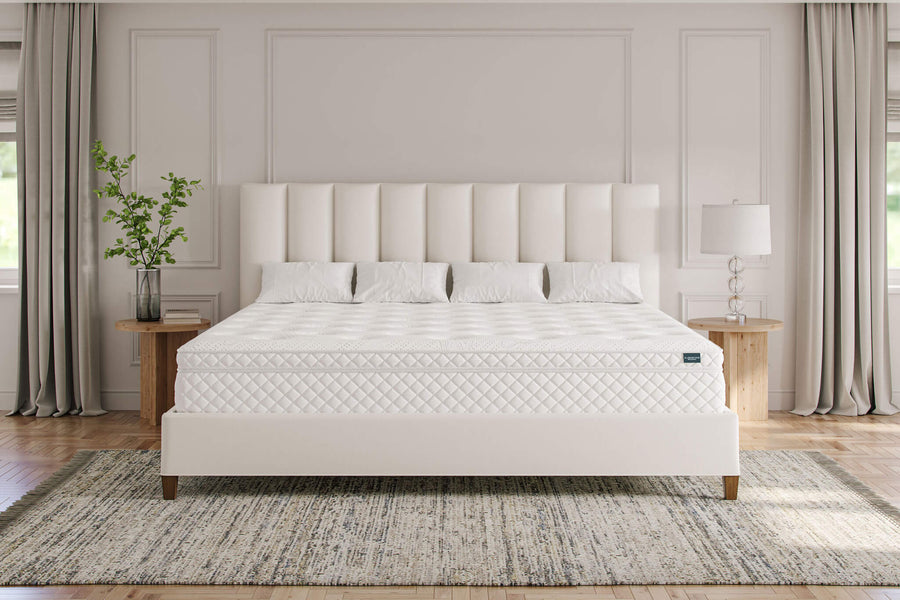
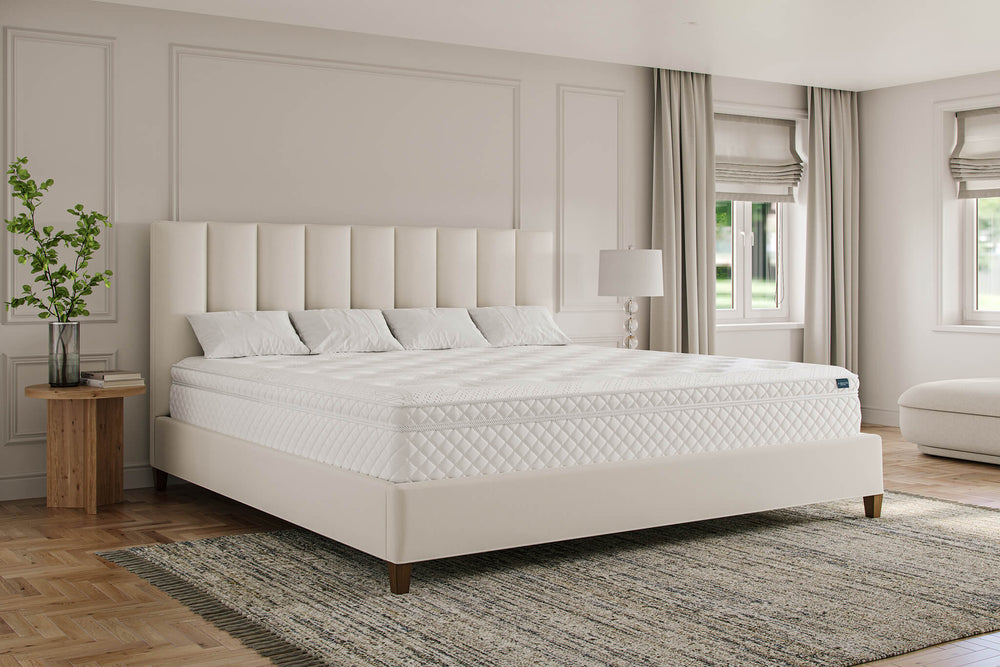
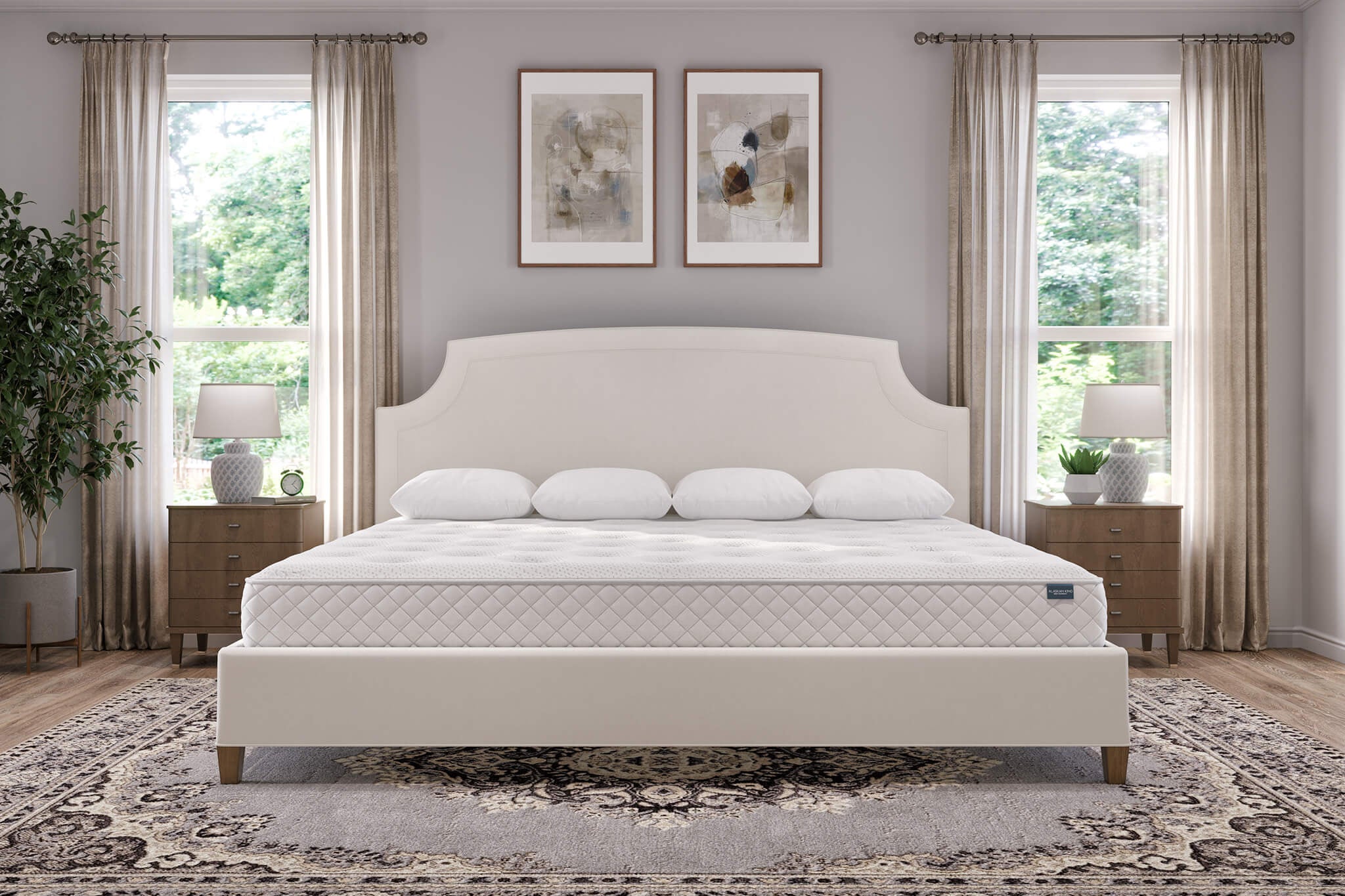
With an Alaskan King mattress, you get room for every phase of rest, whether that’s a midday nap, a first-and-second sleep pattern, or a full house of partners, kids, and pets. More space means more relaxation, fewer interruptions, and a body that can finally let go.
Explore our oversized mattresses and create a sleep sanctuary designed for real rest, no matter how you sleep.