
Sleep Anxiety & Orthosomnia: How to Stop Obsessing Over Perfect Sleep
Good sleep is finally getting the spotlight it deserves. We’ve all heard the message that the rest is the foundation for health, focus, and longevity.
Unfortunately, for some, the pursuit of perfect sleep has become the very thing keeping them awake.
You dim the lights, sip your tea, and track every breath. Yet when your sleep score shows a “mediocre” 78, you spiral. Stress builds, sleep suffers, and suddenly you’re stuck in a cycle experts call orthosomnia, also known as worrying about sleep so much that it keeps you awake.
Sleep doesn’t need to be perfect to restore you. In this guide, we’ll unpack why obsessing backfires and share practical ways to reclaim peaceful, restorative nights without turning bedtime into a performance.
What Is Orthosomnia?
Orthosomnia is a form of sleep anxiety. Essentially, it’s insomnia caused by worrying about not sleeping enough.
The term was first coined by researchers who noticed a pattern where patients would come into sleep labs, anxious about their performance, and end up sleeping worse than usual.
Unlike occasional restless nights, orthosomnia creates a feedback loop. You start worrying about how much sleep you’ll get, that stress keeps your brain in alert mode, and before you know it, you’re lying awake doing mental math about how few hours are left until your alarm.
Modern sleep trackers have amplified the problem. Many people become so fixated on their sleep score that even a decent night feels like failure if the numbers don’t match expectations. Over time, this constant monitoring can make bedtime feel like a test you’re destined to fail, which ironically makes sleep harder to come by.
When the Data Starts to Damage Sleep
Sleep trackers promise clarity, but sometimes the numbers do more harm than good. What begins as a tool for self-improvement can quickly turn into a source of stress, especially when the data doesn’t line up with how you feel.
The problem isn’t that trackers exist; it’s how our brains react to them.
When every night’s rest gets turned into a score, sleep shifts from being a natural process into a performance test. That pressure to do better often backfires, leading to the very restlessness people are trying to fix.
Here’s how the data may work against you:
1. Trackers Aren’t Measuring Sleep Directly
Most consumer sleep trackers don’t measure sleep. Instead, they estimate it by analyzing movement, heart rate, or blood oxygen levels. While this can give a broad sense of your patterns, it’s far less precise than clinical sleep studies that use EEGs to track brain waves.
That’s why a night of tossing and turning might still register as “8 hours of sleep,” while a peaceful night could get marked down for a restless heart rate. This mismatch can make you doubt how rested you really feel. The problem isn’t your sleep; it’s the limits of the technology.
2. Pursuing Perfect Metrics Can Fuel Anxiety
Seeing a low sleep score can feel like failing a test, especially for high achievers who thrive on measurable goals. But sleep isn’t a performance sport – it’s a biological process.
Research shows that obsessing over hitting the “ideal” percentages of REM or deep sleep can trigger insomnia-like symptoms (orthosomnia). Instead of relaxing into rest, your brain stays alert, worrying about how the night will “score.” Ironically, that stress makes it harder to fall and stay asleep.
3. Multiple Cases Show How Tracking Worsens Sleep
The dangers of over-monitoring sleep have been documented in clinical case studies. For example, a 2017 study published in the Journal of Clinical Sleep Medicine followed patients whose sleep trackers made their insomnia worse.
In one case, a man became so preoccupied with reaching 8 hours on his device that he extended his time in bed, which paradoxically made his sleep quality deteriorate. Another patient dismissed clinical sleep study results showing she slept deeply, insisting her tracker’s “poor sleep” score reflected reality. Despite reassurance from specialists, her belief in the device outweighed medical evidence.
These cases highlight a recurring pattern that people could lose touch with their bodies when they fixate on tracker numbers. Instead of relaxing into rest, they chase a data-driven ideal of perfect sleep and end up sleeping less.
4. Experts Warn Against Over-Fixating on the Numbers
Sleep medicine experts agree that trackers can provide useful insights, but obsessing over them can create more problems than they solve.
Dr. Keisha Sullivan, a sleep physician with Kaiser Permanente, explains that while trackers can show general sleep patterns, they’re not 100% accurate, and stressing over nightly stats can fuel insomnia. In other words, the data should be a guide, not a verdict.
What makes this worse is the social trend of people sharing their sleep scores online, turning rest into yet another competition. For perfectionists, that pressure often leads to orthosomnia, where people lie awake, worrying about whether they’ll get enough sleep to satisfy their tracker.
Experts recommend using trackers to spot broad trends, like whether you consistently go to bed too late, not as a nightly performance review. If you wake up refreshed, your body’s signals are more reliable than a number on your wrist.
5. Stress From Sleep Scores Can Disrupt Natural Rest
One of the biggest risks of relying too heavily on trackers is that the data itself can become a source of stress. Instead of drifting off naturally, many people head to bed already anxious about whether they’ll score well on their device. That performance pressure is the opposite of what the brain needs for healthy sleep.
Research shows that worry about sleep can heighten arousal levels, which keeps the body in a more alert state that makes it harder to fall and stay asleep. For some, it even turns bedtime into a nightly test, where the goal is no longer rest but beating yesterday’s score.
Anxiety about poor sleep leads to restless nights, and the restless nights confirm the fear when the tracker shows another disappointing number. In the long run, this can erode confidence in your body’s natural ability to rest, which leaves you dependent on the device instead of your own sense of recovery.
Why the Perfect Sleep Chase Doesn’t Make Sense
You already have the perfect sleep tracker – it’s how you feel during the day. If you wake up refreshed, can focus, and don’t crash by mid-afternoon, your body is telling you that you got the rest you needed. No algorithm can capture that better than your own experience.
Think of it like stepping on the scale every hour. The number bounces around depending on water, meals, or time of day, but it doesn’t actually change your long-term health. Constant checking just fuels anxiety. Sleep scores work the same way, as obsessing over every fluctuation distracts you from the bigger picture, which is consistent rest.
Instead of aiming for perfect sleep, aim for good sleep. Create a relaxing bedtime routine, keep your environment comfortable, and allow yourself to rest without judgment. The quality of your days, not the score on your wrist, remains the most reliable measure of how well you slept.
Practical Steps to Reclaim Rest and Let Go of Perfection
Here are some tips on how to develop a healthy relationship with sleep technology:
1. Reframe Your Relationship with Data
Instead of treating your sleep score as a final judgment, use it as a rough guide. Trackers are best for spotting patterns, like whether late-night screen time cuts into rest, not for dictating how successful your sleep was.
If you’re energized and focused, that matters more than whether your device gave you a 75 or an 85. By focusing on daytime performance instead of nightly grades, you’ll put the data back in its proper place – as a tool, not a verdict.
2. Create Tracker Breaks
Sometimes the healthiest step is to simply step back. Try a “tracker fast” for a week or two, where you wear your device during the day but stop monitoring your sleep at night. This helps reset your mindset and proves that you can rest without the constant feedback loop.
If you’re not ready to go cold turkey, start small. Check your sleep data only once or twice a week instead of every morning. Over time, this reduces the fixation on nightly scores and lets your sleep unfold naturally.
3. Lean Into Subjective Check-Ins
The most accurate sleep tracker you’ll ever have is your own body. Instead of obsessing over numbers, practice tuning into how you actually feel. Do a quick morning check-in: Am I alert, calm, and ready to take on the day? Or do I feel sluggish and unfocused?
This self-assessment tells you far more than whether your watch says you got enough deep sleep. Over time, you’ll learn to trust your body’s signals again and stop outsourcing your rest to a gadget.
4. Stick with Sleep Basics
Sleep science is clear – the fundamentals matter more than fancy data. Go back to the basics, such as consistent bedtimes, a cool and dark bedroom, limiting late-night screens, and cutting caffeine before bed.
These habits set the stage for restorative rest without needing a perfect sleep score to confirm it. Think of them as the foundation. Once those are in place, everything else (like trackers) becomes optional.
5. Seek Help When Needed
If sleep anxiety or orthosomnia keeps spiraling no matter what you try, it’s worth talking to a professional.
A sleep medicine doctor or therapist trained in cognitive behavioral therapy for insomnia (CBT-I) can help you break the cycle of worry and restore healthy sleep patterns. Sometimes, having expert guidance makes all the difference between endless trial-and-error and finally getting real rest.
6. Give Yourself the Space to Truly Relax
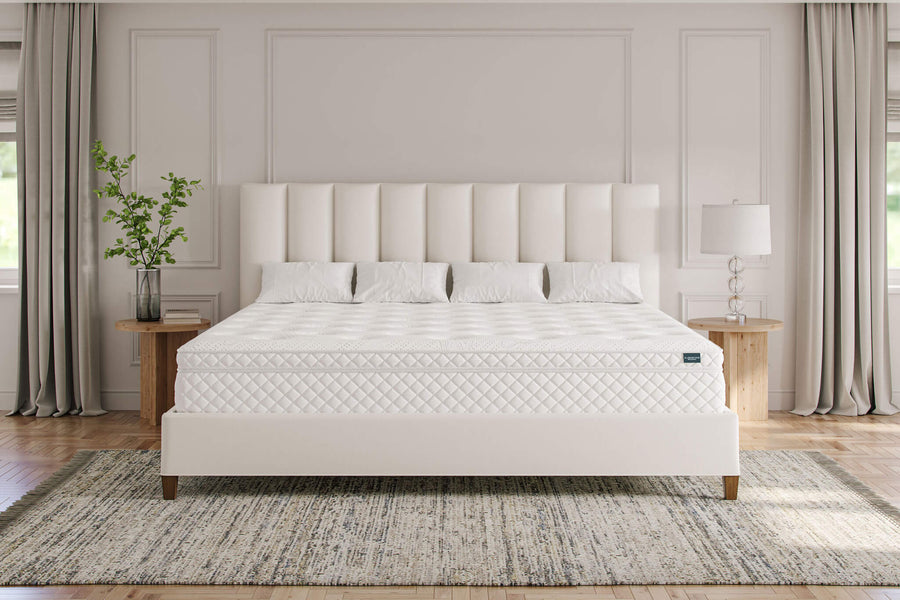
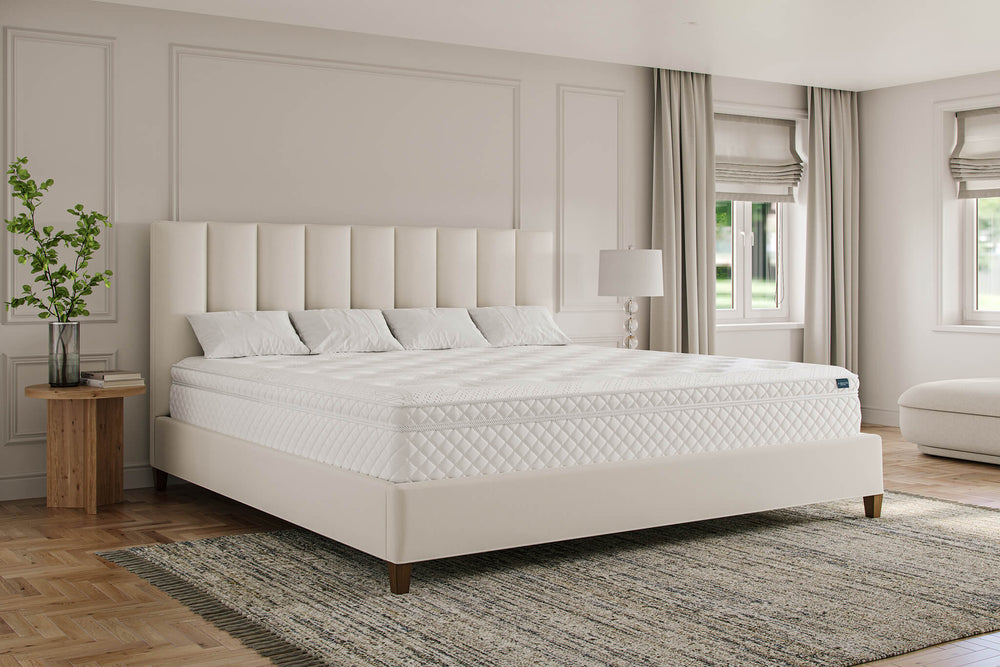
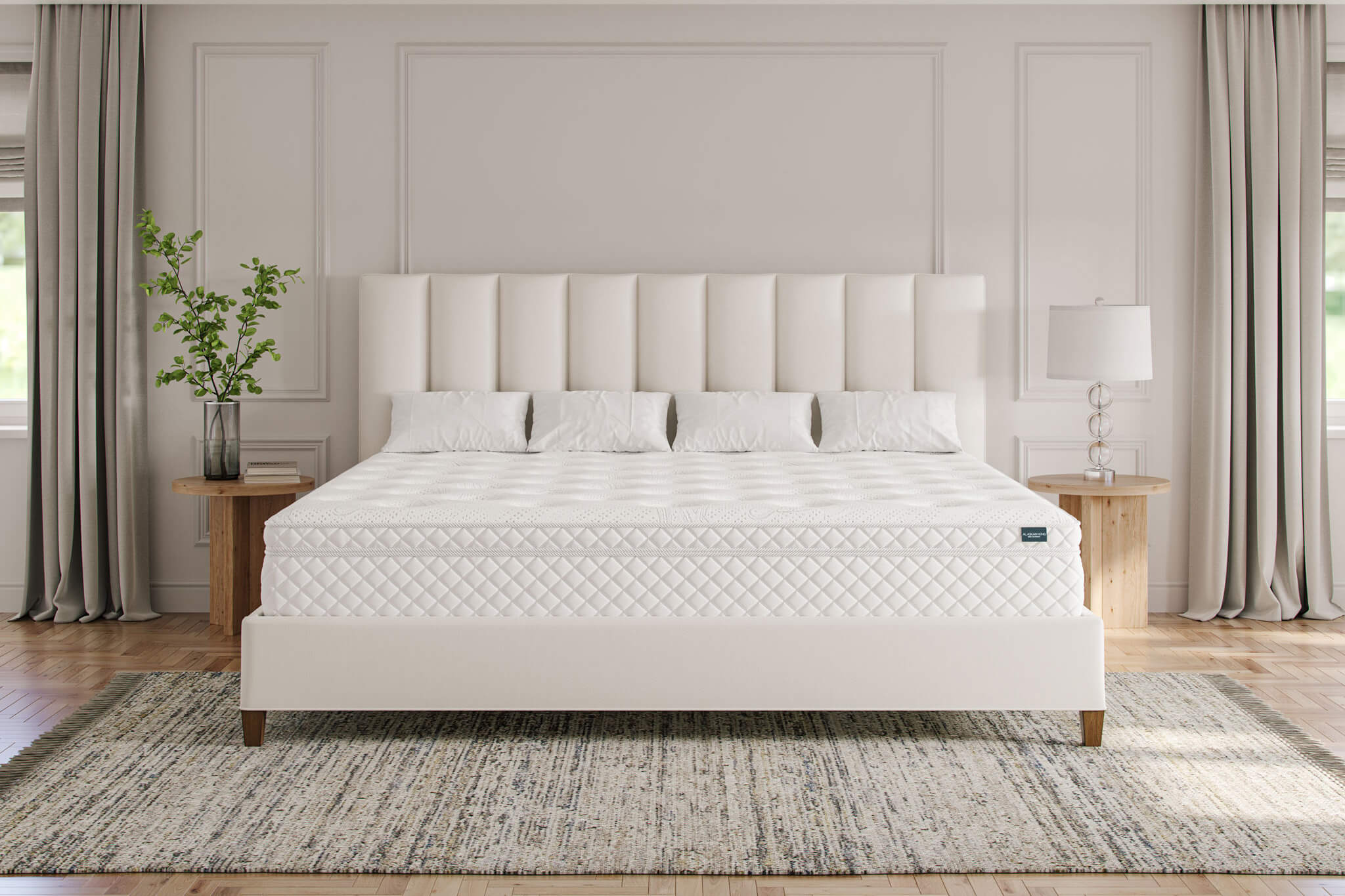
Even the best habits won’t help if your sleep space feels cramped or chaotic. That’s where a giant mattress can make all the difference.
On an Alaskan King, there’s room for everyone (partners, kids, even the family dog), without the nightly battles for space. Instead of stressing over sleep scores, you can stretch out, unwind, and let your body rest naturally.
Good Sleep Is Good Enough
At the end of the day, sleep isn’t about chasing a perfect score. You need to give your body the space and calm it needs to recharge.
Orthosomnia and sleep anxiety can make rest feel like a performance test, but the truth is simpler: good sleep is good enough.
Focus on how you feel, stick with the basics, and let go of the nightly pressure to perform. Your body already knows how to rest, it just needs you to get out of the way.
If part of your struggle comes from a lack of space, comfort, or room to stretch, a giant mattress can help reclaim your rest.
Shop Alaskan King mattresses and create the sleep sanctuary your nights deserve.