How to Choose the Right Mattress Firmness
Choosing a mattress sounds simple until you realize how much firmness affects the way you sleep. Too soft, and you may sink in so deeply that your back feels unsupported. Too firm, and your shoulders, hips, or joints may feel like they’re taking all the pressure.
That’s why mattress firmness matters so much. It shapes how your body rests, how your spine stays aligned, and how comfortable you feel from the moment you lie down to the moment you wake up.
In this guide, we’ll explain how mattress firmness is measured, what soft, medium, and firm mattresses feel like, and how to choose the right firmness based on your body type, sleep position, and comfort preferences.

What Is Mattress Firmness?
Firmness is a measure of how soft or hard a mattress feels. It refers to the top layers, and this is what we usually think of when we talk about comfort. In contrast, beds are also rated for support abilities, and these mainly refer to the middle and bottom layers.
Mattress manufacturers use different methods to measure and rate firmness levels. However, most of today’s products use a universal scale of 1-10, with 1 being the softest option and 10 referring to the firmest one.
When buying a mattress, you’ll most likely encounter labels like soft, medium, and firm. Here is what they mean:
Soft
When you lie on top of a soft mattress, you’ll experience the soft feel while you slowly sink into the bed. It has excellent contouring abilities and offers superb pressure relief.
Soft mattresses usually fall into the 2-4/10 range on the firmness scale. They typically have top comfort layers made of thick memory foam or quilted pillow tops that give them their characteristic soft feel and contouring abilities.
Medium
Medium-firm mattresses fall into the 5-7 range on the firmness scale. If you don’t see a number rating but only a “medium” label, that typically means the mattress has a firmness rating of 6.5, which is the industry standard for medium-firm mattresses.
Medium-firm mattresses combine soft top layers and a somewhat sturdier foundation. That combination offers some contouring, but the sleeper will mostly feel like they are resting on top of the mattress and not being closely hugged by it.
This is the most popular option as it provides an excellent balance between comfort and support, and it is best suited for most sleepers.
Firm
Lastly, we have firm mattresses that fall within the 8-9 range on the firmness scale. They usually have one comfort layer made from softer foam that sits on the base of pocketed coils or high-density polyfoam.
Firm mattresses offer plenty of support, and they push back when you lie on top. That feels like you are sleeping on top of the bed, and there is no sinking. This firmness option is usually the most durable, but it is not suited for everybody.
Choosing the Right Firmness Based on Your Sleeping Position
There are a few things you should think about when choosing your ideal mattress firmness. That includes your sleeping position and body type.
Let’s see how the right firmness depends on your preferred sleep position.
Back Sleepers
Some experts recommend sleeping on your back as it allows proper spine alignment and provides the most benefits out of all sleeping positions. Although the exact firmness level depends on personal preferences, medium-firm mattresses are the best option for back sleepers.
A medium-firm mattress provides enough support and enough comfort. That allows your spine to fall into its natural alignment, which alleviates the pressure and pain from certain areas like the hips, shoulders, and lower back.
Side Sleepers
Side sleepers typically sleep best on soft to medium mattresses, anywhere between 4 and 6 on the firmness scale. Most of your weight presses down on your shoulder and hip when resting on your side. That’s why you need proper support and cushioning to prevent discomfort and pain in these body parts.
Soft to medium mattresses will allow your body to sink in and experience the needed pressure relief. Still, they offer enough support for your shoulders, hips, and lower back.
If the mattress is too firm, it won’t allow shoulder pressure relief, and your spine may fall out of its natural position, resulting in pain and discomfort. In contrast, if it’s too soft, your hips will sink in too much and cause lower back problems.
Stomach Sleepers
Stomach sleepers need extra support to establish neutral spine positioning and prevent the hips from sinking in too deeply. That’s why they usually prefer medium-firm and firm mattress options, typically in the 7-9 range.
However, you still need comfort, which is why you should seek a mattress with a soft top layer and a strong base. That’s why pocketed coils or hybrids are usually a better option than foam mattresses.
Choosing Mattress Firmness Based on Your Body Type
Here is what your mattress firmness could look like depending on your body type and your body mass index (BMI):
Lightweight or Below-Average BMI
If you fall into this group, you need a soft to medium-firm mattress. Going too firm will not provide sufficient contouring and pressure point relief, which could cause back pain.
Medium Weight or Average BMI
People with average builds usually need a standard medium-firm mattress. However, you can go softer or firmer depending on your preferences. Keep in mind that the former may deteriorate more quickly, while the latter may not offer the needed pressure point relief.
Heavyweight or Above-Average BMI
You need a firm bed to support your body type and correctly position your spine. Soft and medium mattresses may wear down quickly, which is why you should go for the firmest option that provides sufficient comfort for restful sleep.
How to Tell If Your Mattress Is Too Soft or Too Firm
Sometimes, the easiest way to find the right mattress firmness is to pay attention to what your body is telling you. If you wake up sore, stiff, or constantly adjust your position during the night, your mattress may not be giving you the right balance of comfort and support.
A mattress may be too soft if:
- Your hips sink too deeply into the mattress.
- You wake up with lower back pain or stiffness.
- You feel stuck in the bed and have trouble changing positions.
- Your spine feels curved instead of supported.
- The mattress has visible dips or sagging spots.
A mattress may be too firm if:
- You wake up with sore shoulders, hips, or joints.
- Your arms or legs feel numb or tingly.
- You feel pressure instead of cushioning when you lie down.
- You toss and turn because you can’t get comfortable.
- There is a gap between your lower back and the mattress when lying on your back.
The right firmness should feel supportive without feeling stiff and comfortable without letting your body sink too far. You should be able to relax into the mattress while still feeling like your spine, hips, and shoulders are properly supported.
What If You and Your Partner Need Different Firmness Levels?
Sharing a bed is lovely until one person wants cloud-soft comfort and the other wants something that feels closer to the floor. Different firmness preferences are common, especially when partners have different body types, sleep positions, or pressure points.
If you and your partner can’t agree on firmness, start by looking for the middle ground. A medium or medium-firm mattress often works well for couples because it provides enough cushioning for side sleepers while still offering the support back and stomach sleepers usually need.
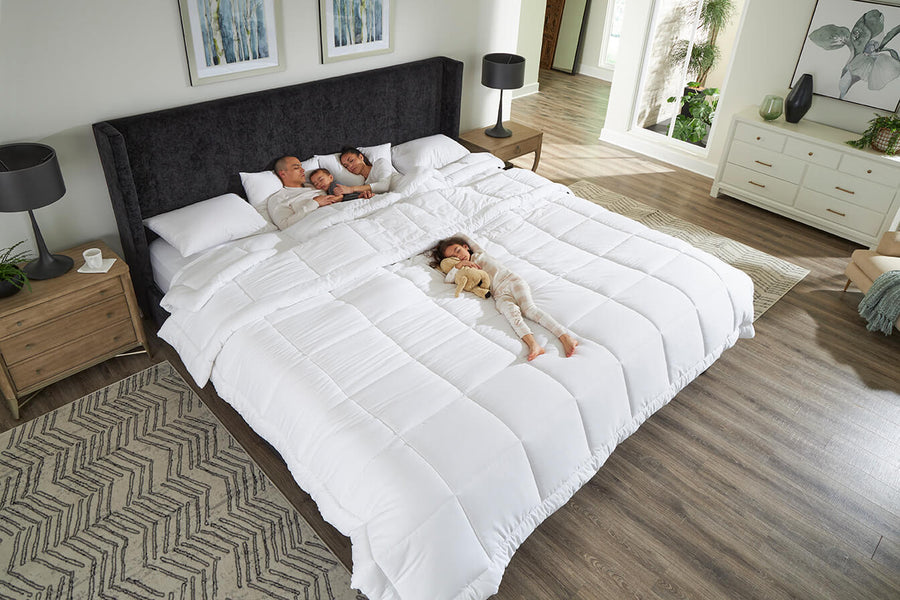
You should also pay attention to motion isolation and edge support. Even if the firmness feels right, a mattress that transfers every movement can make sleep feel restless. Strong edge support also gives both people more usable space, which is especially helpful if you share the bed with kids or pets.
If your preferences are very different, consider a mattress with customizable firmness options. Some beds allow you to choose a split firmness setup, so each side of the mattress feels different. That way, one person can get more cushioning while the other gets a firmer, more supportive feel.
Where to Find the Right Mattress?
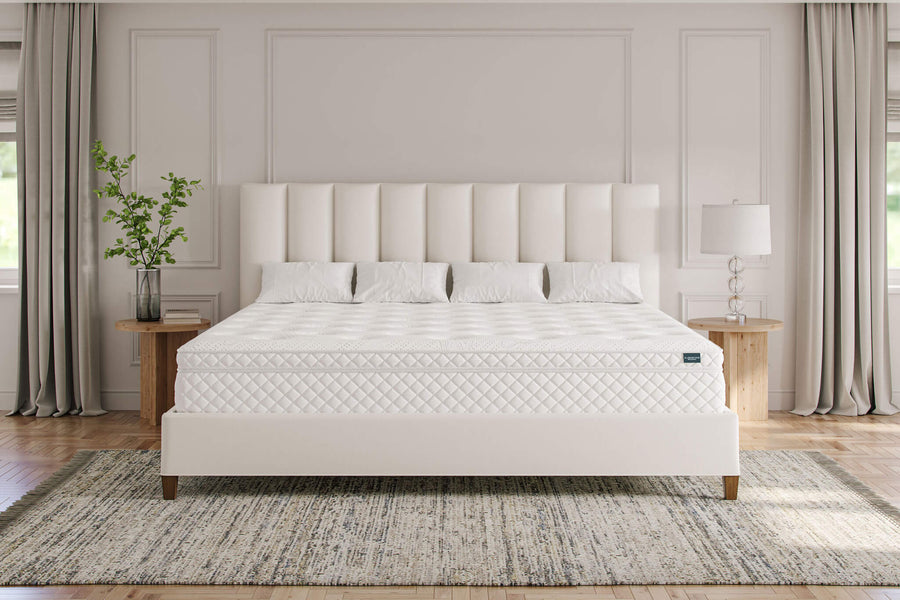
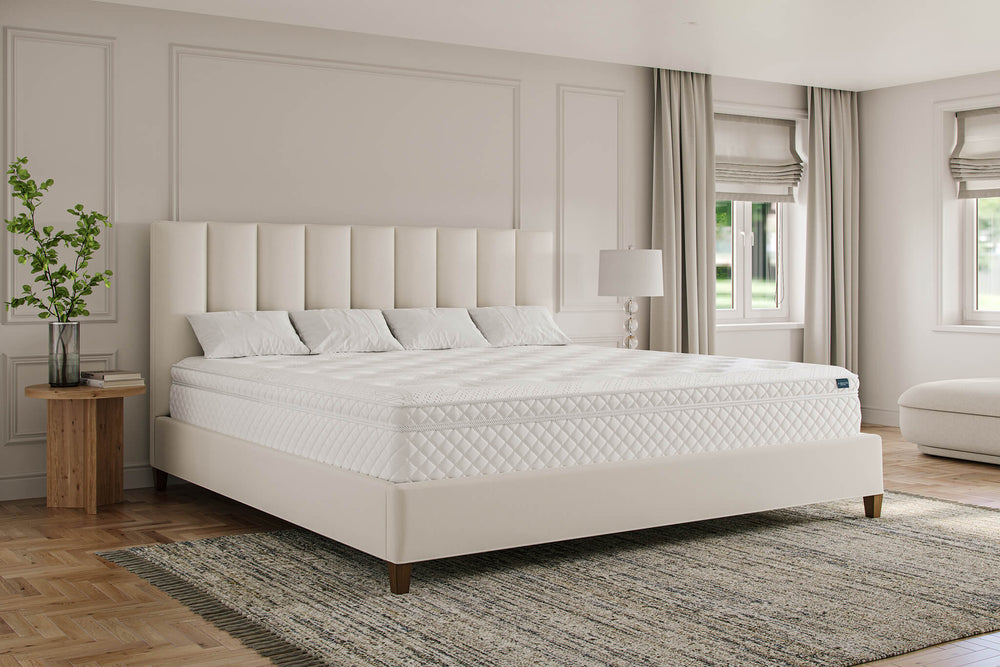
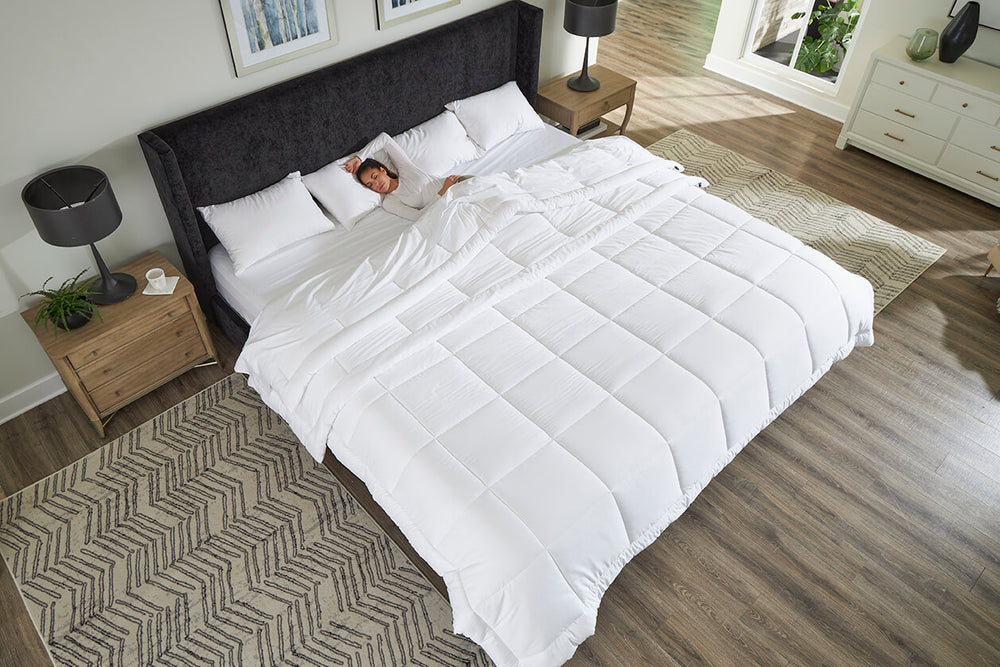
If you are looking for oversized beds, you should check out our online mattress store. Our selection of premium family-sized mattresses features the Alaskan King, Alaskan King Mini, Alaskan King Shorty, and 5 more sizes.
The Royale is one of our clients’ favorite models because it brings a mixture of premium materials combined with the crafting skills of our experienced artisans. On top of it, you can select your preferred firmness and get a personalized mattress that will transform your sleep.
Frequently Asked Questions
Can a mattress topper change the firmness of my bed?
Yes, a mattress topper can make a bed feel softer or slightly more cushioned. However, it usually cannot fix a mattress that is sagging, worn out, or not supportive enough. If the core support is gone, it may be time for a new mattress.
Does mattress firmness change over time?
Yes. Most mattresses soften with regular use, especially in the areas where you sleep most often. High-quality materials can help the mattress hold its feel longer, but if you notice sagging, dips, or uneven support, the mattress may no longer be doing its job.
How long does it take to adjust to a new mattress firmness?
It can take a few weeks for your body to adjust to a new mattress, especially if it feels very different from your old one. Some mild adjustment is normal, but ongoing pain, pressure, or poor sleep may be a sign that the firmness is not right for you.
Is plush the same as soft?
Plush usually means the mattress has a softer, more cushioned top feel, but it doesn’t always mean the entire mattress is soft. A plush mattress can still have a supportive base underneath, which is why it is important to consider both comfort layers and overall support.